
What Happens When You Drink Wine
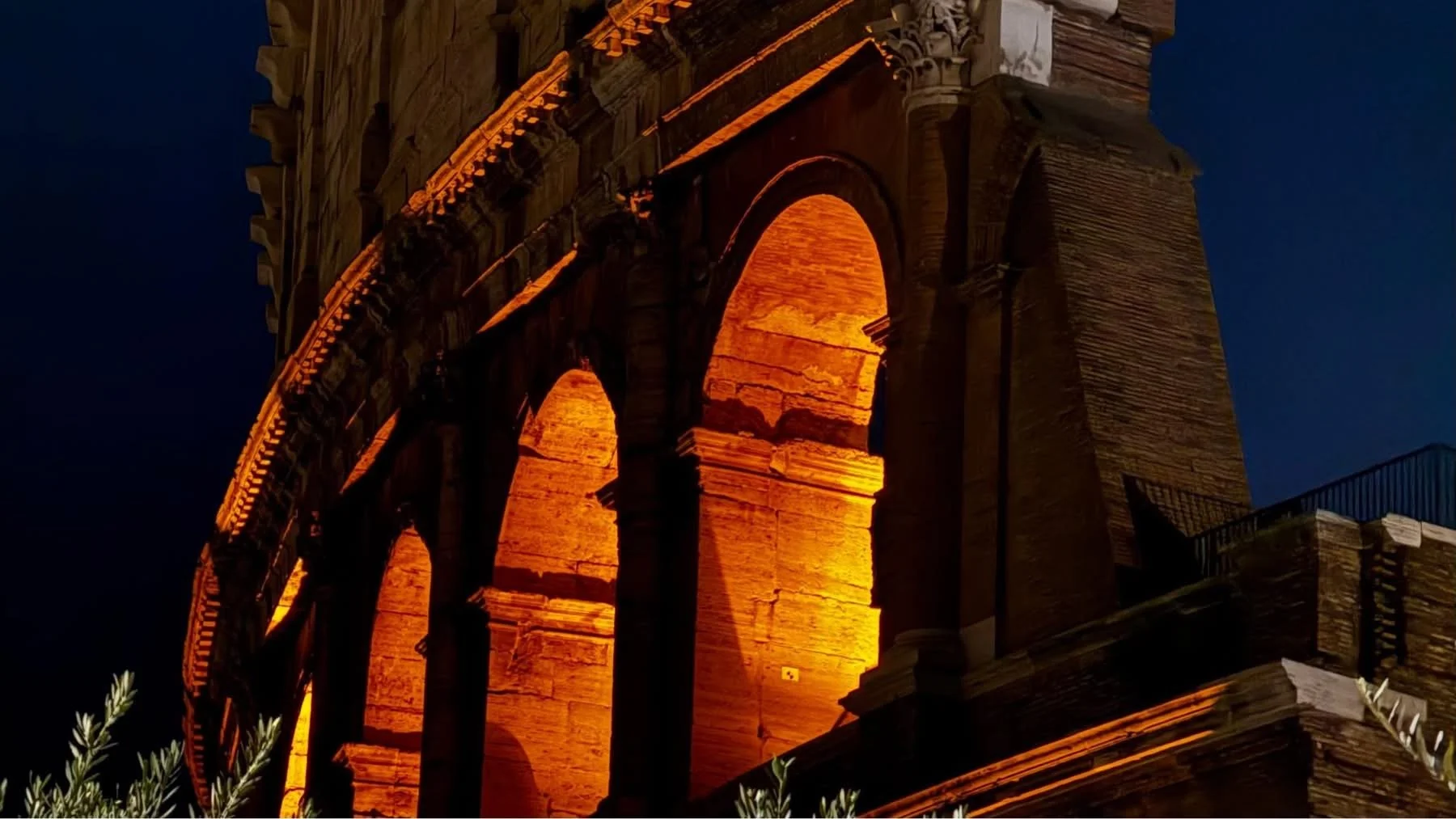
I am sitting alone at a heavy wooden table in Monti, one of those Roman neighbourhoods that seem to have spent two thousand years perfecting atmosphere, and the evening air drifts in through an open door while an Argentinian steak arrives with chimichurri and a side of puntarelle, bitter and sharp in the Roman way, alongside a bottle of Negroamaro dark enough to look almost black in the candlelight. The original plan was sensible. Two glasses with dinner, the rest of the bottle to come back to the apartment for tomorrow, like leftovers, which is usually how these evenings begin.
The first glass does not feel chemical yet, it feels cultural. The brain has been doing this for ten thousand years, and the body knows what to expect before the alcohol arrives: anticipation alone shifts the nervous system, the small reward chemistry of pleasure begins to rise, the shoulders drop, and attention narrows pleasantly onto what is in front of me, the smell of grilled meat, fragments of Italian conversation drifting from a nearby table, the weight of the glass warming in my hand, and the satisfaction of being precisely nowhere I am supposed to be.
Then the ethanol begins crossing into the brain. It is an unusually small molecule, which is why it gets in so easily, and inside my skull at this moment roughly 86 billion neurons are firing in patterns we still do not fully understand, each one connected to thousands of others. The whole arrangement is exquisitely sensitive to chemistry, and a glass of wine is a chemical event whether you treat it as one or not.
Two glasses, in my experience, is where wine is at its best. At this stage the effects are subtle enough that most people experience them as psychological rather than chemical: the part of the brain that runs self-monitoring loosens its grip slightly, internal friction drops, conversation becomes easier even when the conversation is only with yourself, and you become a little less defended against life. The music sounds better. The Roman evening becomes more Roman somehow. The brain has two opposing systems of chemical messengers, one that calms and one that excites, and wine quietly tips the balance toward the calming side, so the nervous system settles into a quieter, less rigid version of itself, while a small lift of reward chemistry hums in the background.
You order the dessert you had not planned for, because the crostata di ricotta e visciole has stopped being a nutritional decision and has become a way of staying inside the evening a little longer. Objectively, of course, reaction time is already slower, memory encoding is already less precise, and tonight’s sleep is already being mortgaged against tomorrow. But subjectively two glasses feels like the nervous system has found a more elegant setting, which is why wine has survived for ten thousand years through every kind of empire and prohibition. The atmosphere of the evening changes, and that, more than the intoxication itself, is the reason people keep pouring.
And then comes the dangerous sentence, which never arrives as a decision but as a small flicker of reasonableness: we are already here, and the bottle is already open, and Rome is not going to be Rome forever.
The third and fourth glasses shift something important. Alcohol begins to outpace self-awareness: the regions responsible for judgement lose efficiency faster than confidence does, so the drinker feels more articulate and more insightful at precisely the moment he is becoming less of each. The bottle that was going home starts looking increasingly local.
By the fourth glass the chemistry is unmistakable. Emotional tone intensifies, small things feel disproportionately profound, and the small part of the brain that turns experience into stable memory is already struggling to keep up. The region that handles balance and timing is losing some of its precision: I am still functional in conversation but objectively worse at anything requiring coordination or accuracy. The liver, meanwhile, is producing, along the way, a small toxic compound called acetaldehyde, which is the main reason hangovers feel the way they do. The brain at this point is no longer relaxed. It is compensating.
The sixth glass is where the experience stops being enhancement and becomes neurological disruption. Communication between brain regions is significantly impaired, impulsivity rises, judgement deteriorates, and sentimentality or overconfidence emerges depending on personality and context. I have no wish to meet that version of myself tonight, alone in a Roman restaurant, with the walk back to the apartment still ahead.
This is also where blackouts can begin, and they are stranger than people imagine. A blackout is not unconsciousness. The person appears awake, even articulate, but the brain has quietly stopped recording the evening properly, so the night continues, consciousness continues, and tomorrow contains holes. I have seen this in friends more than once. It is one of the most unsettling things a nervous system can do.
Sleep afterwards is its own quiet catastrophe. Alcohol gets you under quickly, which is easy to mistake for rest, but the night that follows is shallow and broken: dream sleep fragments, deep sleep collapses, breathing becomes unstable, heart rate stays elevated, and as the alcohol wears off the whole system rebounds in the opposite direction, so that the calming chemistry falls away, the excitable systems overshoot, stress hormones climb, anxiety rises, and the world the next morning feels less manageable than the world the night before. The rebound is the price for the earlier softness.
The remarkable thing is that the brain usually recovers. This three-pound network of neurons spends its existence absorbing imperfect decisions: too little sleep, too much stress, the occasional excess, a bottle of fermented grape juice in a Roman restaurant. Tonight, somewhere between the fourth and sixth glass that I am not drinking, millions of cells inside my skull would have been adjusting their firing patterns while I sat in Monti under dim Italian lights, temporarily less analytical and slightly more porous to existence itself.
A nervous system that evolved across hundreds of millions of years, sitting alone in a Roman restaurant, drinking Negroamaro while contemplating its own chemistry.
Happily, the evening stopped at three glasses. Basta così, I told the waiter when he reached for the bottle again, and he nodded as if he had expected the answer half an hour ago. The rest stayed behind on the table, where by then it had done enough. I walked back through the Roman night, fell asleep almost immediately, and had the kind of sleep alcohol delivers in good faith and small portions: easy to enter, shallow at the centre.
A small lesson, on a small evening, in a city that has been teaching small lessons for two thousand years. Chi va piano, va sano e va lontano, the Romans say, and the brain, in its quiet old way, has been saying the same thing for far longer.
